What determines the permeability of our skin to active substances?
Enhancers are "boosters" of the permeability of the epidermal barrier. Many substances can disrupt the liquid crystal structures of the stratum corneum and thus facilitate the diffusion of other active ingredients. For example, natural oils containing a high amount of polyunsaturated fatty acids, free fatty acids, and fatty alcohols increase the fluidity of the lipid layers of the epidermis. Oleic acid and isopropyl myristate are particularly active.
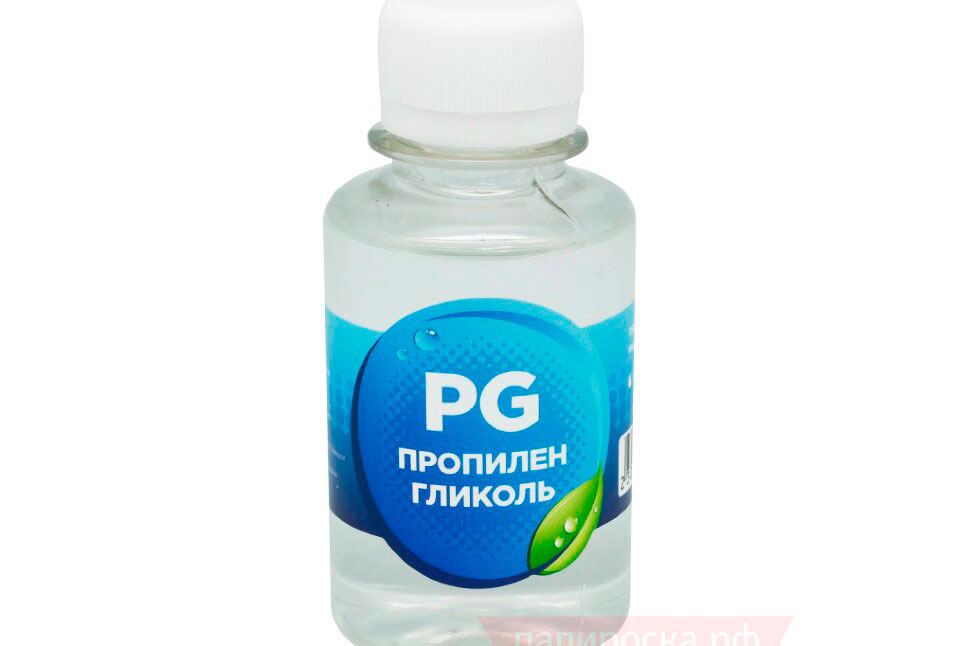
The group of enhancers also includes monohydric and polyhydric alcohols, among which the best known and most widely used are ethanol and propylene glycol. Propylene glycol acts by integrating domains of the intercellular lipid layers into its liquid crystal structure, leading to increased skin permeability to certain substances. Ethanol increases the solubility of active substances, modifies membrane structure, and facilitates their penetration into the cell. Many components of cosmetic bases can increase the penetration of active ingredients into the skin by affecting the stratum corneum. Several lipids, polyhydric alcohols, emulsifiers, and fragrances have this effect.Other agents that facilitate the application of useful cosmetic components to the skin:
LiposomesCommercial liposome-based products include the following:
dermasomes;
niosomes;
spherulites;
robiosomes;
dragosomes;
nyzasomes, etc.
Microcapsules:
Matrix systems
Lipid nanoparticles
Microsponges
Microsponges are formed from inert synthetic polymers (polyacrylates, polymethacrylates, and polyamides).
Nanoparticles
Biological nanoparticles are enzymes, DNA molecules, and RNA, cellular vesicles, and ribosomes. A distinctive feature of these objects is their ability to aggregate and self-organize. Artificial biogenic nanoparticles: in addition to liposomes, these include lipid nanotubes, lipid nanoparticles, nanoemulsions, and nucleic acid-based nanoparticles. Polymeric nanoparticles have several advantages that determine their effectiveness: biocompatibility, biodegradability, and functional compatibility. The basis for creating polymeric nanoparticles is polylactic acid, polyglycolic acids, polycaprolactone, and polyethylene glycol. Dendrimers are a unique class of polymers with a highly branched structure and an internal cavity. Their controlled dimensions and surface properties, as well as their high stability, make dendrimers one of the most promising nanoparticles for use as transdermal carriers. Carbon nanoparticles (nanotubes and fullerenes) are composed solely of carbon atoms. They are effective delivery systems that form stable bonds with lipid complexes, peptides, and DNA. These are the most famous and popular nanostructures. The Nobel Prize was awarded for the discovery of this new form of carbon in 1996.
Cyclodextrins
Emulsions
(C) Les Nouvelles Esthetiques